support@blog.viblea.com

Ultimate Guide to Healthy Eating for a Vibrant Life


Healthy Eating: Tips for a Balanced Diet
Healthy eating isn’t just about weight loss—it’s a lifestyle that fuels your body, boosts energy, and lowers the risk of chronic diseases. In today’s fast-paced world, making informed food choices is essential for longevity, mental clarity, and overall well-being.
Why Healthy Eating Matters
A balanced diet rich in whole foods, lean proteins, healthy fats, and fiber not only supports physical health but also plays a critical role in disease prevention. Research has shown that diets emphasizing vegetables, fruits, whole grains, and lean proteins can reduce risks of heart disease, type 2 diabetes, and certain cancers. It is important to never miss any meals, as each meal plays a vital role in providing the necessary nutrients to maintain energy and the proper functioning of the body.
Key Principles of a Balanced Diet
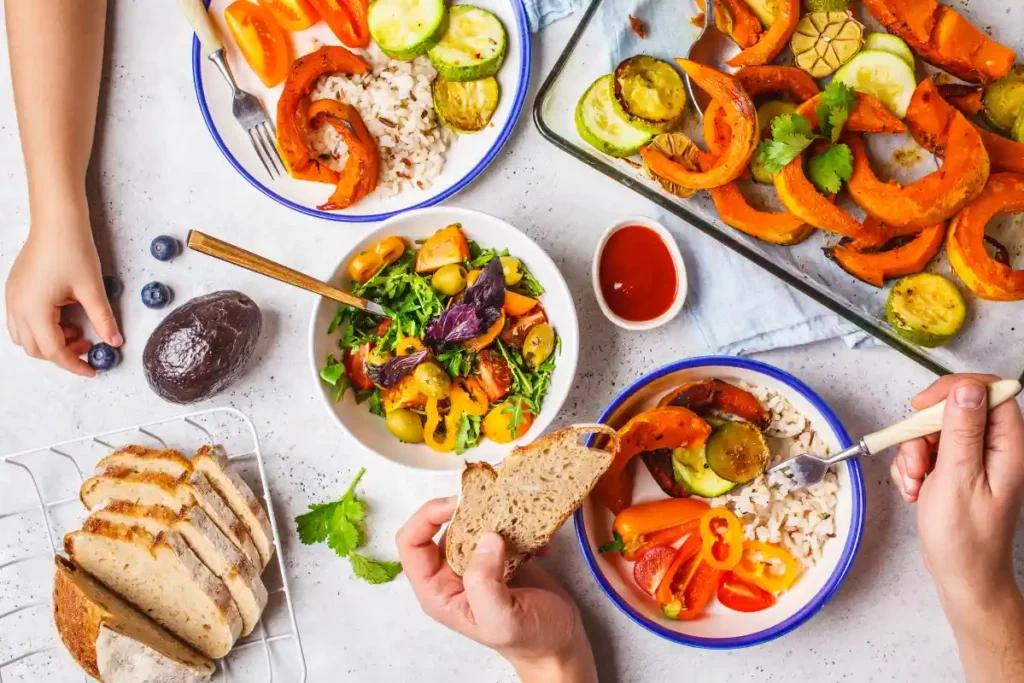
- Emphasize Whole Foods: Choose fruits, vegetables, legumes, and whole grains over processed options.
- Prioritize Healthy Proteins: Incorporate lean meats, fish, beans, and nuts. For example, the Mediterranean diet—rated as one of the healthiest—focuses on whole grains, legumes, and healthy fats.
- Include Healthy Fats: Use extra-virgin olive oil, avocado, and nuts to help reduce inflammation.
- Stay Hydrated: Water is essential for digestion, detoxification, and maintaining energy levels.
What I Actually Eat In A Day | Doctor Mike
Benefits of Healthy Eating
Adopting a nutritious eating pattern offers multiple benefits:
- Increased Energy and Focus: Nutrient-dense meals provide sustained energy without blood sugar spikes.
- Improved Digestion and Gut Health: High-fiber foods support a healthy microbiome.
- Weight Management: Balanced meals help control hunger and reduce overeating.
- Disease Prevention: A diet low in ultra-processed foods is linked to reduced risks of chronic illnesses.

Expert Tips for Building Healthy Eating Habits
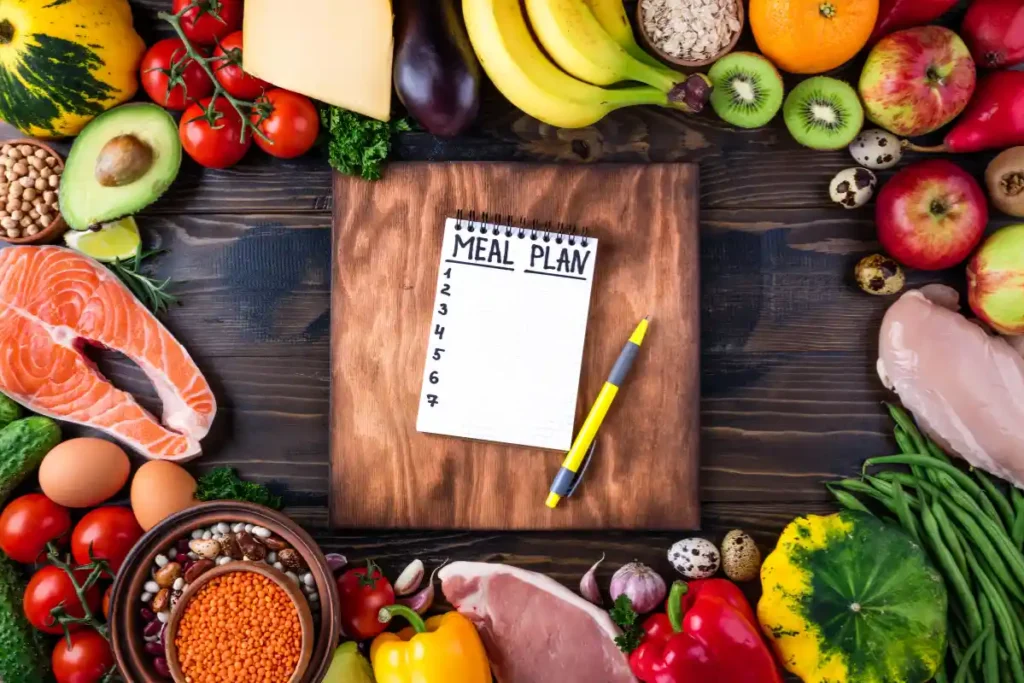
- Plan Your Meals: Dedicate time each week for meal prepping. This ensures you have healthy options readily available and minimizes impulse purchases.
- Read Food Labels: Look for hidden sugars, excessive sodium, and unhealthy fats. This empowers you to choose nutrient-dense products.
- Practice Mindful Eating: Eat slowly and savor every bite. This can help prevent overeating and improve digestion.
- Swap Smartly: Replace refined carbohydrates with whole grains (brown rice, whole-wheat bread) and sugary snacks with fruits or nuts.
- Combine Diet with Exercise: Even moderate physical activity, like daily walking, interval training, and yoga, can enhance the benefits of healthy eating.
Popular Healthy Diet Patterns
Many diets emphasize healthy eating habits:
- Mediterranean Diet: Rich in vegetables, legumes, whole grains, and olive oil, it’s known for lowering cardiovascular risk.
- DASH Diet: Designed to reduce blood pressure, this diet focuses on lean proteins, whole grains, and ample fruits and vegetables.
- Flexitarian & MIND Diets: These offer a flexible approach, prioritizing plant-based foods while still allowing moderate animal protein intake.

Practical Ways to Incorporate Healthy Eating into Your Routine
- Meal Prepping: Batch cook your meals on weekends. Use portion-controlled containers to keep your servings in check.
- Smart Snacking: Keep healthy snacks like carrot sticks, hummus, Greek yoghurt, or a handful of nuts at hand.
- Stay Consistent: Even if you slip up occasionally, aim to return to your healthy eating pattern the very next day.
- Social Engagement: Cooking for and with family or friends not only enriches your diet but also nourishes your mental health.

Final Thoughts
Transforming your diet is a journey. Start by making small, sustainable changes—swap out a processed snack for a piece of fruit, choose whole grains, and ensure you drink enough water. Your body will thank you with more energy, a stronger immune system, and a reduced risk of chronic diseases.
But remember, it’s not just about food—you should also incorporate regular exercise, practice yoga, and meditation. These practices bring benefits to both your mind and body, helping you feel more centered, reduce stress, and enhance overall well-being.
Ready to make a change? Start today by planning one healthy meal and gradually build from there. Share your progress with friends, and don’t forget to subscribe for more expert tips and nutritious recipes!
Embrace a healthier lifestyle now, and let every bite count towards a better future!

