


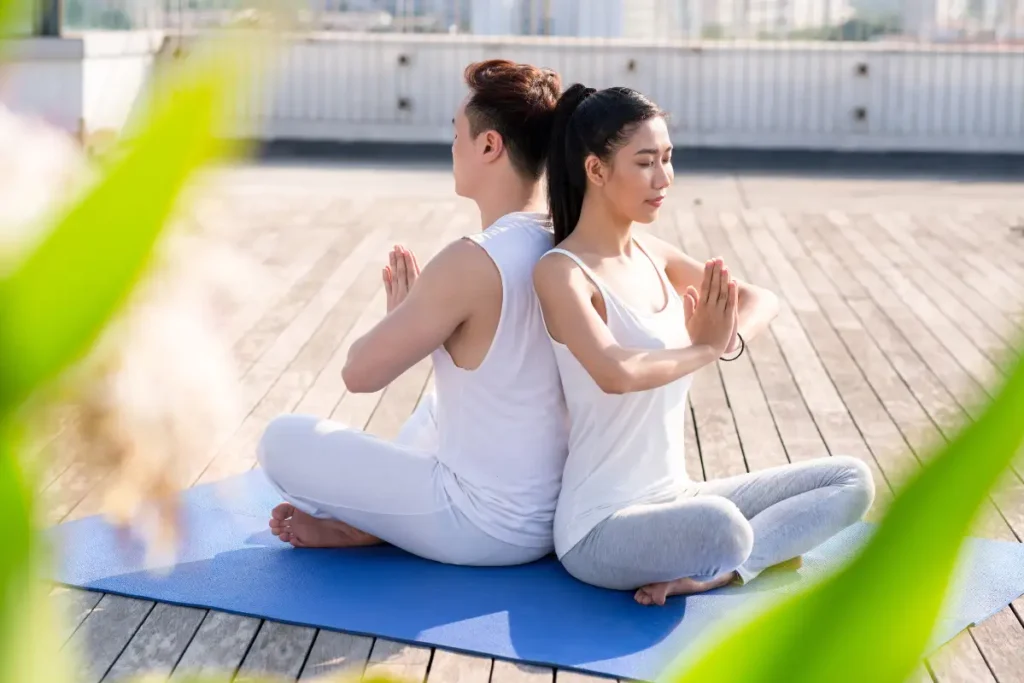
Relaxation Techniques to Reduce Stress and Anxiety
Stress and anxiety are common challenges in today’s fast-paced world. However, incorporating relaxation techniques into your routine can help manage these feelings, promoting a balanced and healthier lifestyle. And also, remember, better sleep quality can help alleviate stress and anxiety.
Watch: 10 Quick Anxiety Relief Techniques by Dr. Ali Mattu
1. Deep Breathing Exercises
Deep breathing can calm your nervous system and reduce stress levels. To practice diaphragmatic breathing:
- Inhale deeply through your nose for four seconds.
- Hold your breath for four seconds.
- Exhale slowly through your mouth for six seconds.
Repeat for a few minutes to encourage relaxation and mental clarity.
2. Meditation and Mindfulness
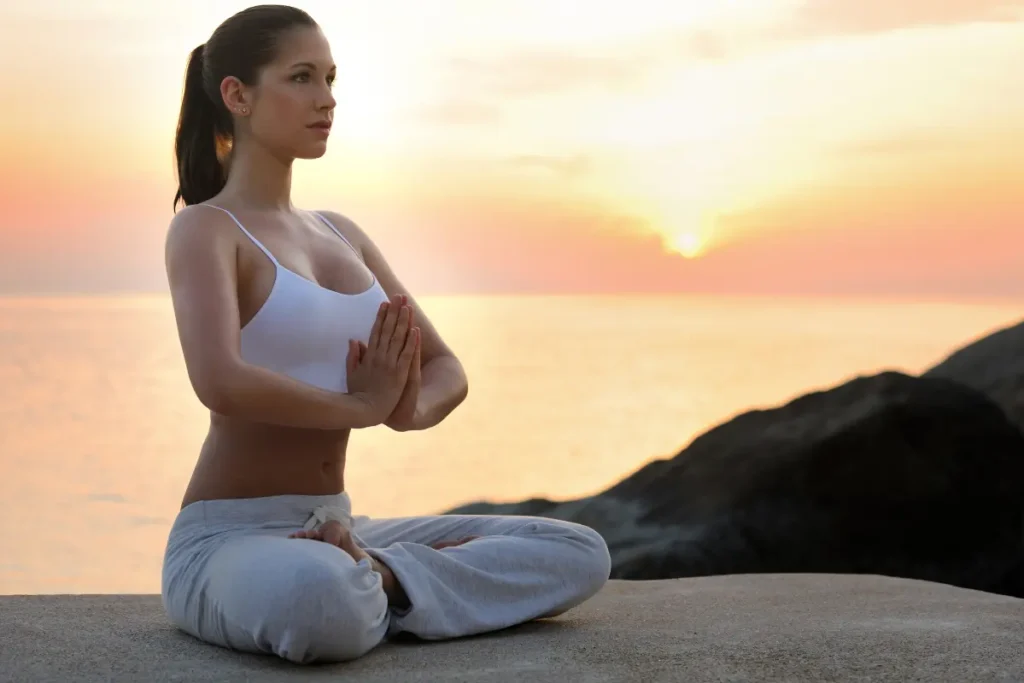
Meditation is an effective way to focus your mind, reduce negative thoughts, and promote emotional balance. Mindfulness meditation involves:
- Sitting in a quiet space.
- Focusing on your breath.
- Observing your thoughts without judgment.
Try practicing for at least 10 minutes a day to feel the benefits.
3. Progressive Muscle Relaxation (PMR)
This technique involves tensing and relaxing different muscle groups to alleviate stress. Start with your toes and move upward, tensing each muscle group for five seconds and releasing. You’ll notice the contrast between tension and relaxation, leading to reduced stress.
4. Gentle Exercise and Yoga
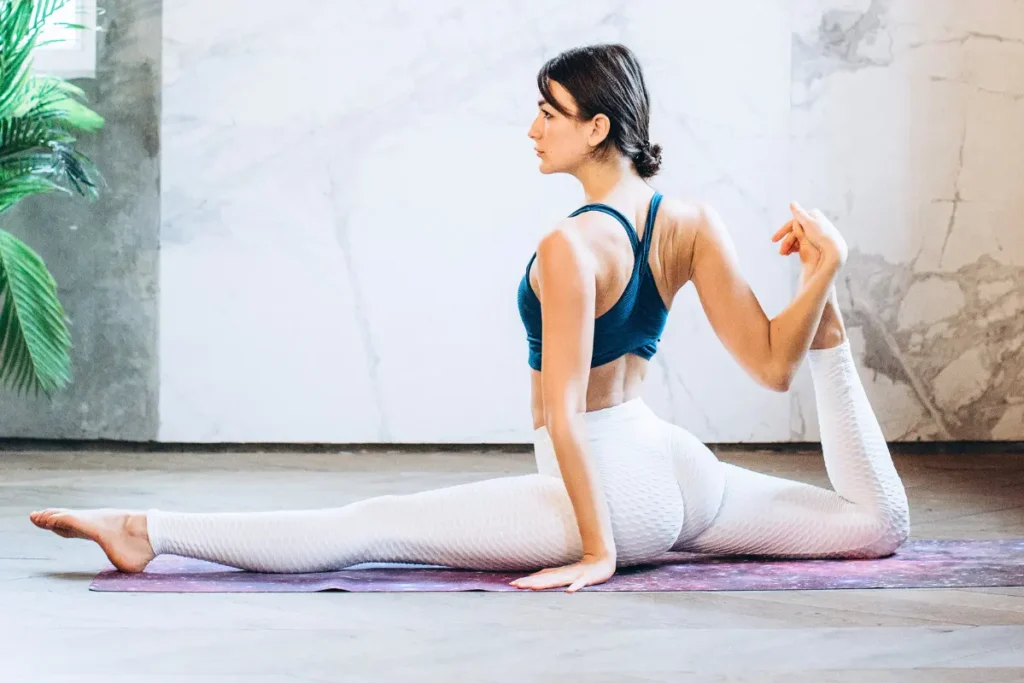
Physical activity releases endorphins that boost your mood and reduce stress. Yoga combines movement, breathing, and meditation, offering multiple benefits, such as:
- Improving flexibility and circulation.
- Enhancing mental clarity.
- Reducing cortisol levels, the stress hormone.

5. Aromatherapy and Essential Oils
Scents like lavender, chamomile, and sandalwood are known for their calming properties. You can:
- Diffuse essential oils in your room.
- Add a few drops to a warm bath.
- Use a scented pillow spray before bed to promote relaxation.

6. Journaling and Expressing Emotions
Writing down your thoughts can relieve stress and help you gain perspective. Journaling allows you to:
- Identify stress triggers.
- Practice gratitude and positive thinking.
- Gain emotional clarity.

7. Listening to Calming Music
Music has the power to reduce stress and anxiety. Classical music, nature sounds, or binaural beats can:
- Slow your heart rate and breathing.
- Induce a state of relaxation.
- Improve focus and productivity.

8. Digital Detox and Reducing Screen Time
Constant exposure to screens can increase stress levels. Try these tips to manage screen time:
- Limit social media and news consumption.
- Set screen-free hours before bedtime.
- Spend time outdoors or engage in hobbies that don’t involve screens.
9. Practicing Gratitude and Positive Affirmations
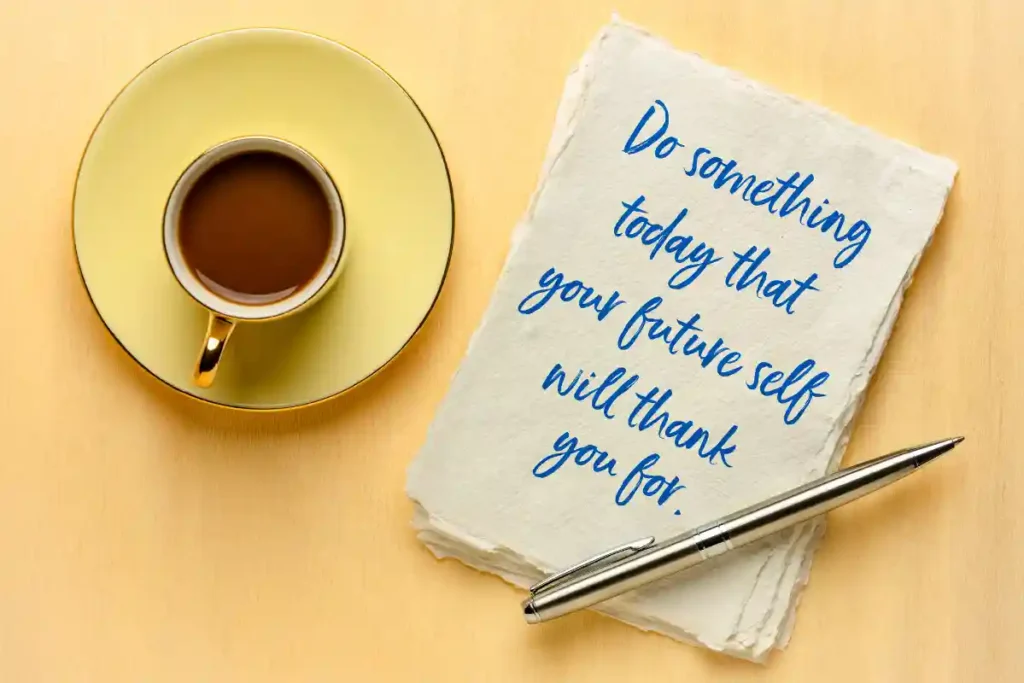
Focusing on positive thoughts can help improve mental health. Consider these practices:
- Write down three things you’re grateful for each day.
- Use positive affirmations to boost your self-confidence.
- Focus on aspects of your life that you can control.
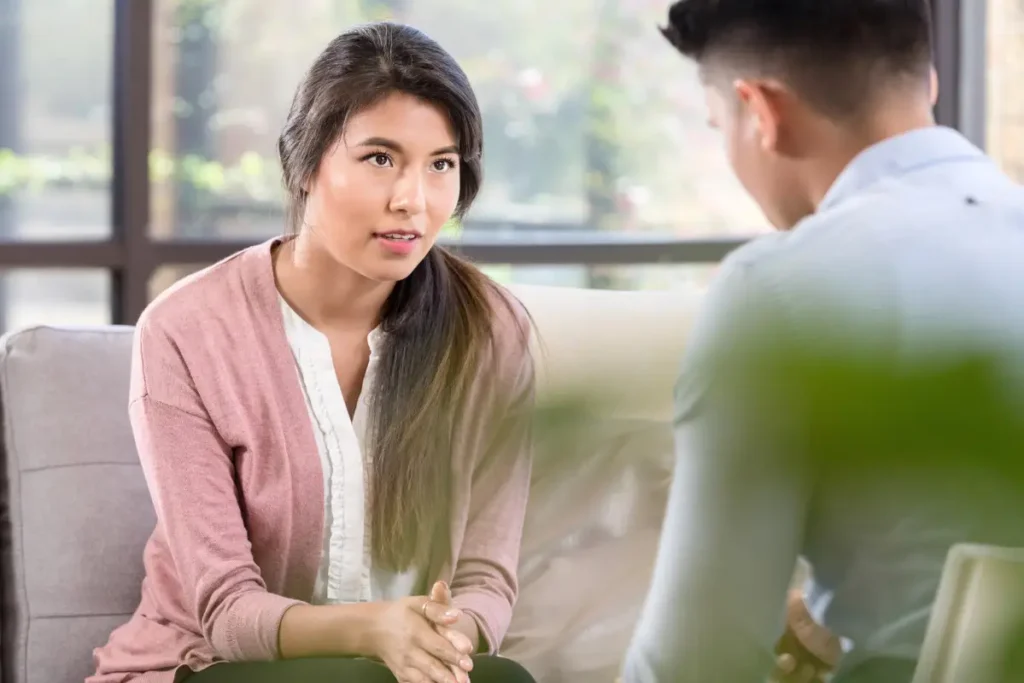
10. Seeking Social Support
Connecting with loved ones can provide comfort and reduce stress. Make time to:
- Talk to a trusted friend or family member.
- Join a support group or community.
- Spend time with people who uplift you.
Conclusion
By integrating these relaxation techniques into your daily life, you can take proactive steps to manage stress and anxiety. Consistency is key to long-term benefits, and with patience, you’ll notice improvements in your mental clarity, emotional balance, and overall well-being. Remember, even small efforts can make a big difference. Take the first step today—your mind and body will thank you. Which technique will you try first to start your journey towards a calmer, more peaceful life?