


Understanding Your Skin Type
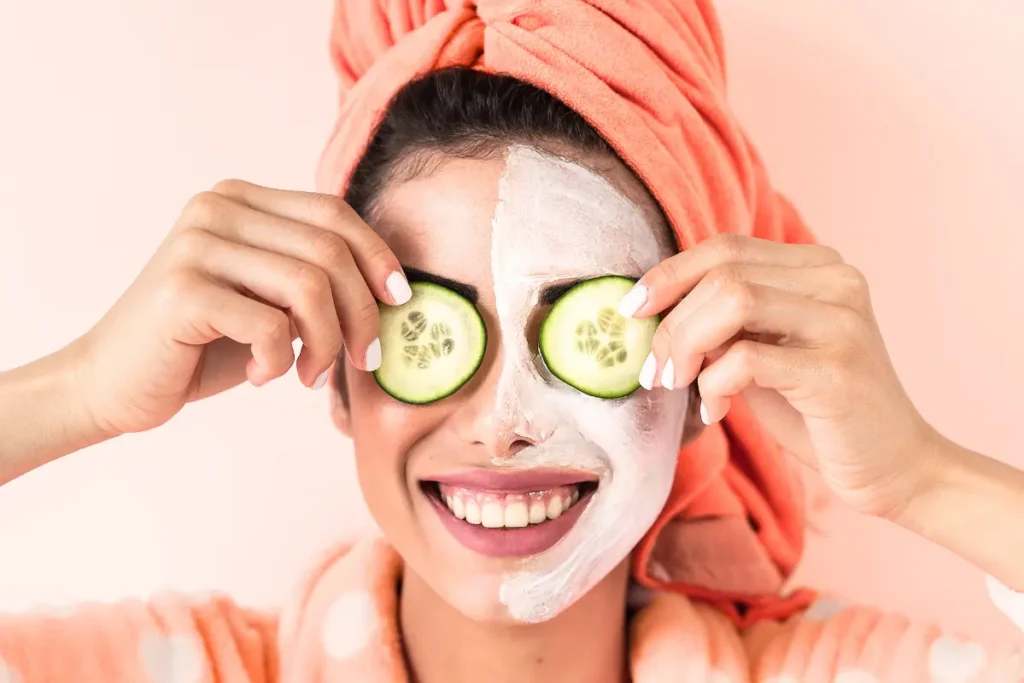
Identifying your skin type is essential for an effective skincare routine. The main types are oily, dry, combination, and sensitive. Oily skin looks shiny, has enlarged pores, and is prone to acne. Dry skin appears rough, flaky, or tight due to a lack of hydration. Combination skin has both oily and dry areas, like an oily T-zone and dry cheeks. Sensitive skin reacts easily, often showing redness, itching, or irritation.
Choosing the right products depends on your skin’s needs. Oily skin benefits from lightweight, non-comedogenic formulas. Dry skin requires rich, hydrating ingredients like hyaluronic acid. Combination skin needs balance, with targeted care for different areas. Sensitive skin does best with fragrance-free, hypoallergenic options.
To identify your skin type, observe how it behaves daily and in different seasons. Oily skin may get shinier in summer, while dry skin worsens in winter. Keeping track of reactions to products helps refine your routine.
Essential Basics of Skincare from a Skin Doctor
Key Ingredients to Look For
When it comes to skincare, selecting the right products is essential for both skin health and overall appearance. Understanding key ingredients to look for can make a significant difference, especially when targeting concerns like acne, premature aging, and persistent dryness. Knowing which components provide hydration, protection, and rejuvenation helps in making informed choices that enhance your skincare routine.
Hydrating Ingredients: Hyaluronic Acid
Hyaluronic Acid is a top ingredient for hydration. It holds up to 1,000 times its weight in water, making it perfect for dry skin. Hyaluronic acid helps maintain elasticity, leaving your skin plumper and more youthful.

Anti-Aging Power: Retinol
Retinol is widely known for fighting aging. It boosts cell turnover and collagen production, reducing fine lines and wrinkles. Start with a low concentration and increase gradually to avoid irritation.
Brightening and Repairing: Vitamin C
Vitamin C brightens and evens skin tone. Its antioxidants protect against environmental damage and help with skin healing. Vitamin C is ideal for those with dull skin or hyperpigmentation.
Acne Treatment: Salicylic Acid
Salicylic Acid is a great choice for acne-prone skin. It clears pores by removing excess oil and dead skin cells, while also calming inflammation.
Always choose products based on your skin type and concerns. For personalized advice, consult with a skincare professional to avoid irritants and achieve the best results.
Building a Healthy Skincare Routine
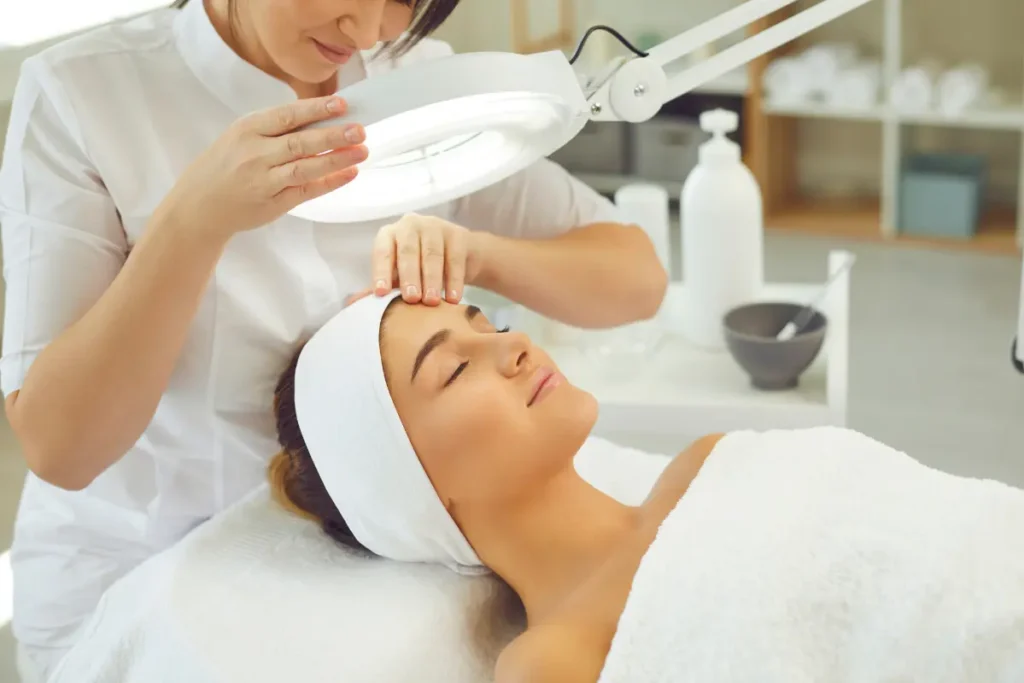
Establishing a skincare routine is key to maintaining healthy skin. It involves several essential steps: cleansing, exfoliating, moisturizing, and applying sun protection. Let’s break down each one.
Cleansing: The Foundation
Cleansing is the first step. It removes dirt, oil, and impurities from your skin. Choose a gentle cleanser suited for your skin type. This prevents stripping the skin’s natural oils.
Exfoliating: Renew Your Skin
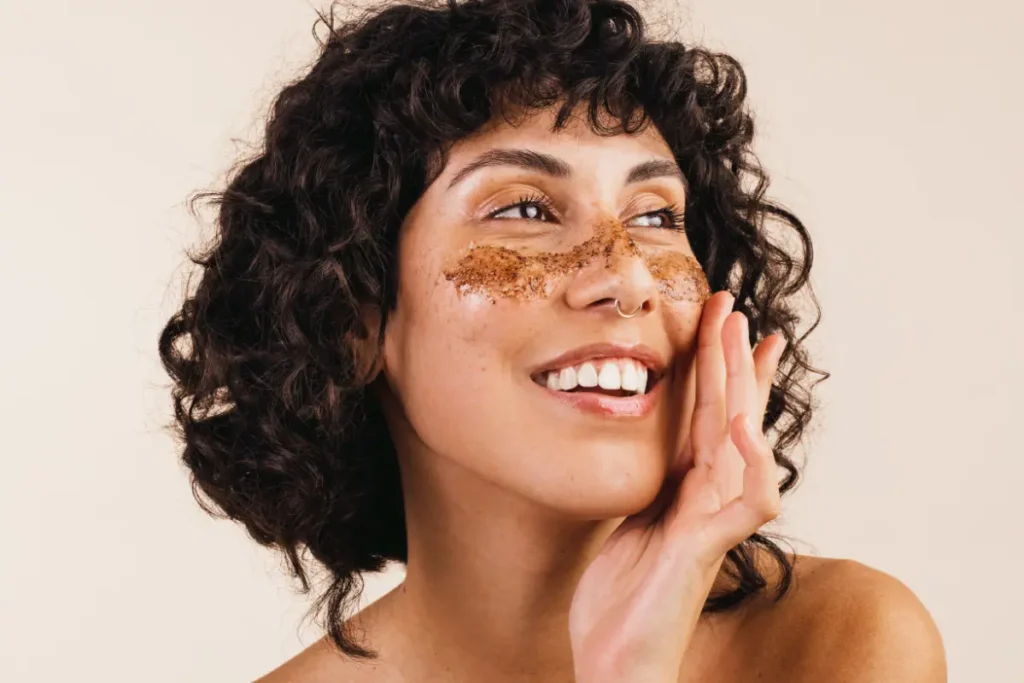
Exfoliation removes dead skin cells. This step encourages cell turnover, leaving skin fresh and smooth. Exfoliate 1-3 times per week, depending on your skin’s sensitivity. Use chemical exfoliants like AHAs or BHAs for a gentler approach. Avoid physical scrubs, as they may cause micro-tears.
Moisturizing: Hydration is Key
Moisturizing is essential for all skin types. It keeps your skin hydrated and supports its barrier. Choose a gel moisturizer for oily skin or a cream-based one for dry skin. This step prevents dryness and maintains skin health.
Sun Protection: Don’t Skip It
Sun protection is a must. Apply broad-spectrum sunscreen daily. It shields your skin from harmful UV rays, which can cause premature aging and skin cancer.
Consistency is Crucial
Stick to your routine daily to see lasting results. However, adjust your routine based on the seasons, lifestyle changes, or shifts in skin condition. For example, during colder months, use richer moisturizers. If exposed to pollution, consider extra steps for protection.
By staying consistent and listening to your skin’s needs, you can maintain healthy, glowing skin for years.

Exploring Beauty Treatments for Enhanced Skin Health
At-home skincare routines are important, but sometimes professional treatments are needed for better results. These treatments target skin concerns that regular products may not fully address.
Facial Therapy: Targeted Care for Your Skin
Facial therapy includes deep cleansing, hydration, and stimulation of skin radiance. Different facials cater to specific skin types—oily, dry, sensitive, or combination. These treatments provide the extra care your skin needs for a healthy glow.
Chemical Peels: Smoother, Healthier Skin
Chemical peels exfoliate the skin and target issues like hyperpigmentation, fine lines, and acne scarring. By removing the upper skin layers, they promote regeneration for a smoother complexion. It’s important to choose the right peel for your skin type and goals.
Advanced Dermatological Procedures
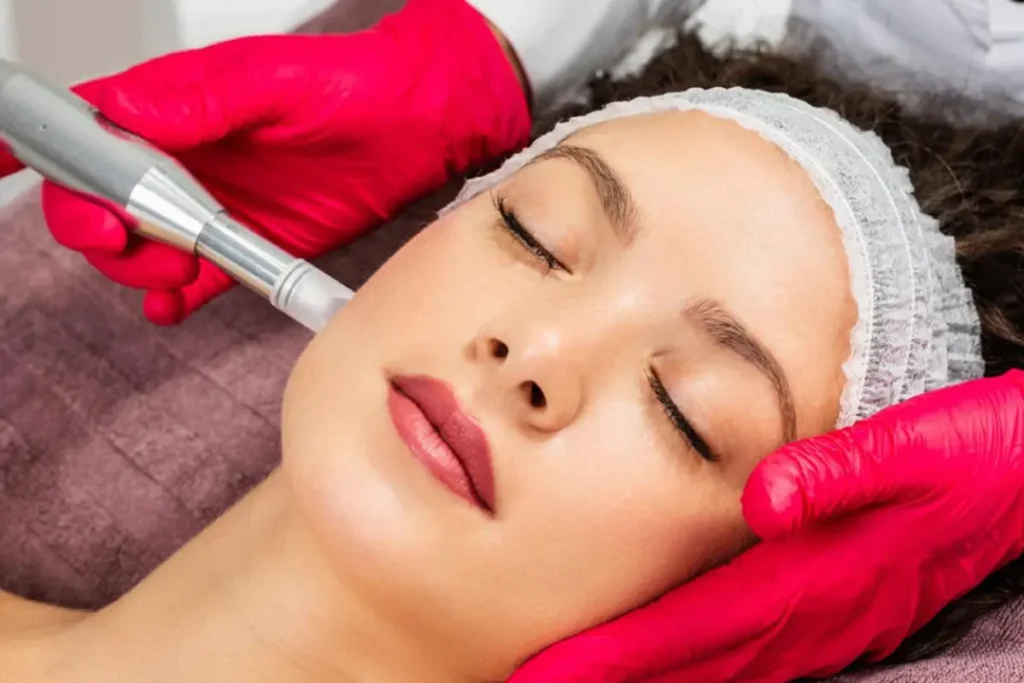
Microneedling and laser therapy are advanced treatments that enhance skin health. Microneedling creates tiny injuries to boost collagen production, improving skin texture and firmness. Laser treatments target pigmentation and vascular issues precisely, leaving surrounding skin unaffected.
Consulting Professionals for the Best Results
Consult with beauty professionals to choose the right treatments for your skin. They can assess your skin’s needs and recommend a personalized plan. Combining professional treatments with your skincare routine offers the best results for healthy, beautiful skin.
Additional Tip:
Remember to patch-test new products before applying them to your entire face. Start slowly with new ingredients and give your skin time to adjust to avoid irritation and achieve the best results. Remember, it’s essential to avoid common skincare mistakes that can damage your skin.


