



The Importance of Eating Regularly for Optimal Health
Maintaining a regular eating schedule is crucial for your overall health and well-being. Skipping meals may seem like a quick way to save time or cut calories, but in reality, it can lead to imbalanced energy levels, unhealthy eating habits, and long-term health issues. In this post, we explore why not skipping meals is vital to your health and how healthy eating habits play a role in sustaining energy, and provide practical tips to maintain a balanced nutritional routine.
Why Regular Meals Matter
Maintaining Stable Energy Levels
When you eat consistently, your body receives a steady supply of nutrients. This constant flow helps stabilize your blood sugar, preventing energy crashes and fatigue. Regular meals not only fuel your daily activities but also ensure that your metabolism remains active, making it easier to maintain a healthy weight.

Supporting Metabolism
Skipping meals can trigger your body to go into a “starvation mode,” where your metabolism slows down to conserve energy. This natural response may seem beneficial in the short term but, over time, it can hinder weight loss and even lead to weight gain. Consistent meal times keep your metabolic rate optimized, ensuring efficient energy use throughout the day.
Improving Focus and Concentration
A regular intake of balanced meals provides your brain with the necessary nutrients to function at its best. When your blood sugar fluctuates due to skipped meals, you may experience difficulty concentrating, irritability, and mood swings. A well-fed brain is a focused and productive one.
Does Skipping Meals Worsen Your Metabolism?
The Consequences of Skipping Meals
Short-Term Effects
- Low Energy: Missing a meal can cause immediate fatigue and reduced physical performance.
- Mood Swings: A drop in blood sugar may lead to irritability and stress.
- Overeating Later: Skipping meals often results in excessive hunger, which can lead to overeating during the next meal.
Long-Term Health Risks
- Nutrient Deficiencies: Regularly skipping meals means your body might not get essential vitamins and minerals, increasing the risk of chronic health conditions.
- Increased Risk of Metabolic Disorders: Consistent meal skipping can be linked to higher risks of diabetes and heart disease.
- Weakened Immune System: Without adequate nutrition, your body struggles to maintain a robust immune response, leaving you vulnerable to infections.

The Role of Healthy Snacks
Healthy snacks are an excellent way to bridge the gap between meals without resorting to unhealthy, high-calorie options. They play a pivotal role in keeping your energy levels steady and your metabolism active.
Benefits of Incorporating Healthy Snacks
Sustaining Energy Levels
Healthy snacks provide a controlled amount of calories and nutrients, keeping your energy levels consistent until the next meal. This steady supply of energy helps avoid the typical mid-morning or mid-afternoon slumps.
Controlling Hunger and Cravings
When you snack smartly, you’re less likely to experience extreme hunger that leads to binge eating. Snacks like nuts, yogurt, or fruit can curb your appetite and reduce cravings for sugary or highly processed foods.
Supporting Muscle Health and Recovery
For those who exercise regularly, snacks rich in protein can be essential for muscle repair and growth. A balanced mix of protein and carbohydrates ensures that your muscles recover quickly after workouts and remain strong.
Enhancing Nutrient Intake
Snacks can also be an opportunity to increase your daily intake of fruits, vegetables, and other nutrient-dense foods. This variety helps you meet your nutritional goals and maintain a well-rounded diet.

Balanced Nutrition: More Than Just Skipping Meals
Combining Macronutrients
A well-balanced meal includes a mix of carbohydrates, proteins, and healthy fats. Each macronutrient plays a distinct role:
- Carbohydrates: Provide energy for daily activities and brain function.
- Proteins: Essential for building and repairing tissues.
- Fats: Support cell growth, protect organs, and help absorb vitamins.
When you plan your meals to include all three macronutrients, you not only prevent energy dips but also support long-term health.
Micronutrients and Their Role
Vitamins and minerals are the small but mighty components of your diet that help regulate body processes. For example:
- Vitamin C: Boosts your immune system.
- Calcium: Strengthens bones and teeth.
- Iron: Essential for oxygen transport in the blood.
Skipping meals can disrupt your regular intake of these crucial micronutrients, so incorporating them via both meals and healthy snacks is key.
Practical Tips to Avoid Skipping Meals
Meal Planning and Preparation
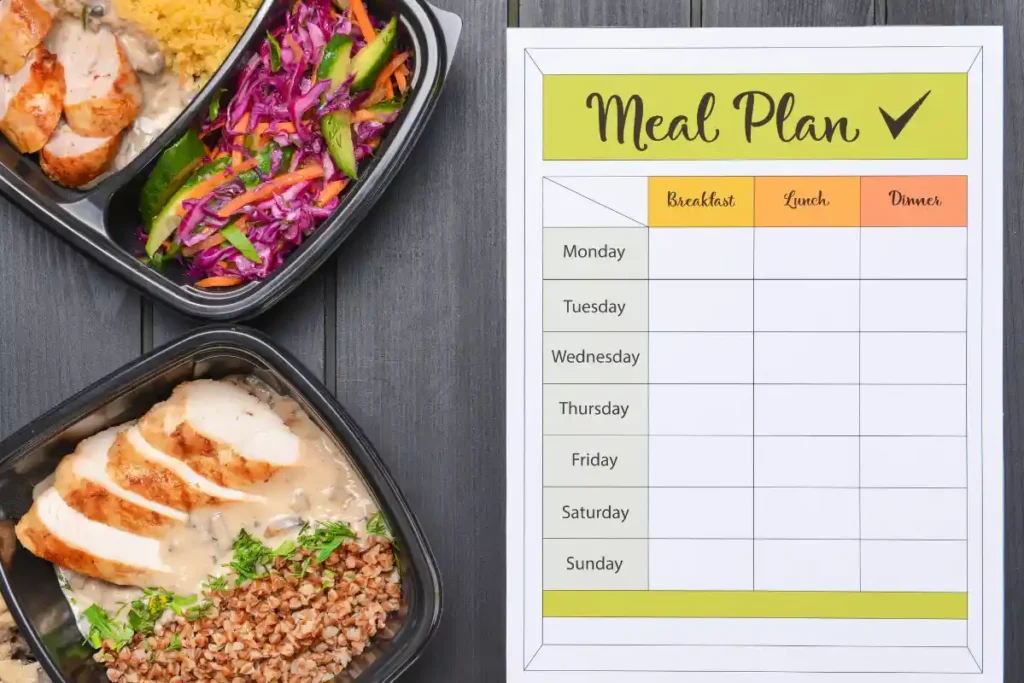
Planning your meals ahead of time can help ensure that you always have something nutritious to eat, even on busy days. Consider preparing meals in advance on weekends or evenings to simplify your schedule during the week.
- Create a Weekly Menu: Outline your meals and snacks for the week, ensuring a balanced mix of macronutrients.
- Prep Ingredients: Wash, chop, and store fruits and vegetables in portable containers.
- Pack Snacks: Always have a healthy snack on hand—whether it’s a handful of nuts, a piece of fruit, or a yogurt cup.
Time Management Strategies
Busy lifestyles often lead to skipped meals. To combat this:
- Set Reminders: Use your smartphone or a planner to schedule meal times.
- Prioritize Breaks: Even during hectic days, a short break to refuel can boost your productivity and well-being.
Embracing a Balanced Lifestyle
Remember, it’s not just about eating regularly; it’s about making balanced choices. Combine regular meals with physical activity, adequate hydration, and sufficient sleep to maintain overall health.

Expert Insights on Regular Eating Habits
Nutrition experts emphasize that consistency in meal timing can have profound effects on your body’s performance. According to dietitians, the key is to listen to your body’s signals and avoid extreme hunger, which can lead to poor food choices. They advocate for regular intervals between meals and snacks, as this routine can help maintain steady energy levels and optimal brain function.
Research Highlights
- Metabolic Benefits: Studies have shown that eating at regular intervals helps maintain metabolic efficiency, which is crucial for weight management and overall health.
- Cognitive Function: Research indicates that a consistent supply of glucose from regular meals supports better concentration and cognitive performance.
- Hormonal Balance: Regular eating helps stabilize hormones that control hunger and stress, contributing to a more balanced mood and energy distribution.
Incorporating expert advice into your daily routine can create a sustainable and health-promoting eating pattern.

Delicious and Nutritious Snack Ideas
To keep your snack game strong, here are some creative ideas that are both delicious and healthy:
Energy-Boosting Snacks
- Nut & Seed Mix: Combine almonds, walnuts, sunflower seeds, and a few dried cranberries for a quick energy boost.
- Smoothies: Blend spinach, banana, Greek yogurt, and a handful of berries for a nutrient-packed drink.
- Veggie Sticks with Hummus: Carrot, cucumber, and bell pepper slices dipped in hummus offer a crunchy, satisfying snack.
Protein-Packed Options
- Hard-Boiled Eggs: Easy to prepare and rich in protein, they’re a perfect on-the-go snack.
- Cottage Cheese with Pineapple: This combination provides protein and natural sweetness.
- Turkey or Chicken Slices: Roll up with a slice of avocado for a balanced snack.
Fiber-Rich Choices
- Fresh Fruit Salad: Mix apples, berries, and oranges for a refreshing snack loaded with vitamins and fiber.
- Whole-Grain Crackers with Cheese: Provides a balance of carbohydrates and protein while keeping you full longer.
- Oatmeal Cups: Prepare mini oatmeal portions with nuts and a drizzle of honey for a fiber-rich treat.

Meal Timing and Lifestyle Integration
Integrating regular meal times into your lifestyle requires a blend of planning and mindfulness. Here are some strategies to consider:
Listen to Your Body
Pay attention to natural hunger cues. When you start feeling hungry, it’s a sign to refuel. Ignoring these cues can lead to overeating later.
Schedule Your Meals
Establish a daily routine that includes three main meals and healthy snacks in between. This structure helps prevent erratic eating habits and supports metabolic stability.
Be Flexible and Adapt
Life is unpredictable. While routine is beneficial, it’s also important to be adaptable. If you miss a meal due to a busy schedule, ensure you have a healthy snack available to keep your energy steady until you can eat a full meal.
Mindful Eating Practices
Practice mindful eating by savoring your food and focusing on the experience rather than rushing through meals. This approach can improve digestion, reduce overeating, and enhance overall satisfaction with your diet.

Final Thoughts
Skipping meals may seem harmless in the short term, but its cumulative effects on your energy levels, metabolism, and overall health can be significant. By planning your meals, incorporating nutritious snacks, and listening to your body, you can create a sustainable eating routine that keeps you energized throughout the day.
Healthy eating isn’t just a trend—it’s a lifestyle that can lead to improved cognitive function, better mood stability, and long-term health benefits. Whether you’re a busy professional or someone trying to adopt a healthier lifestyle, prioritizing regular, balanced meals is an investment in your future well-being.