support@blog.viblea.com

Complete Guide to Anti-Aging: Essential Tips and Care

Introduction to Anti-Aging
What is Anti-Aging?
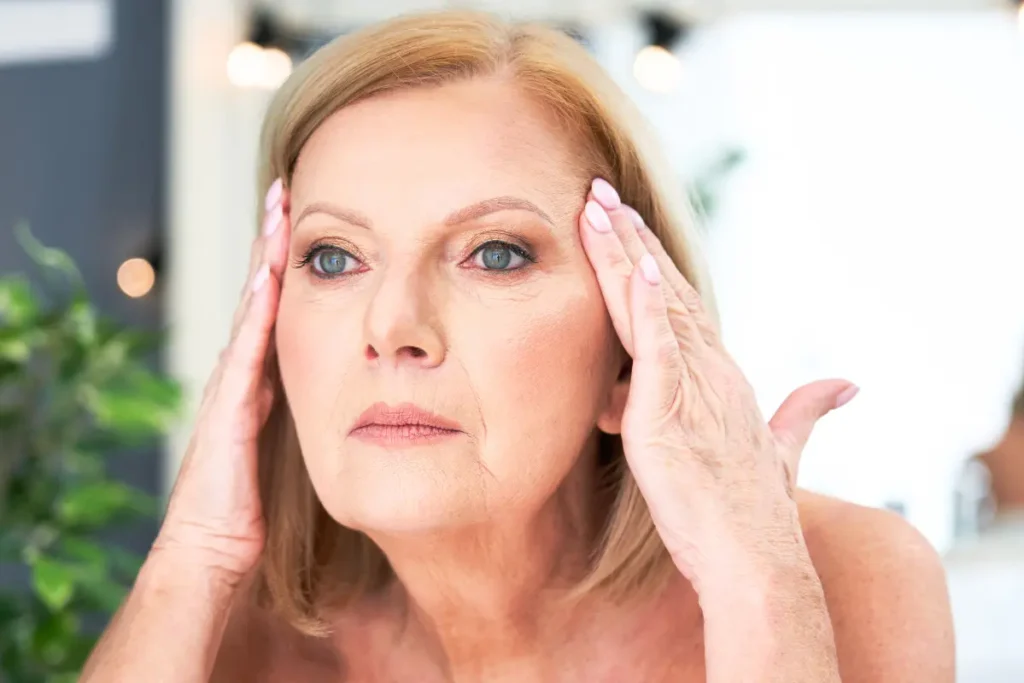
Anti-aging refers to practices aimed at slowing down or reversing the visible signs of aging. As we age, our skin undergoes significant changes due to genetics, the environment, and daily habits. Starting a skincare routine early can help minimize premature aging and maintain healthy skin.
Key Factors of Aging
Several factors contribute to the aging process, including sun exposure, pollution, poor diet, and dehydration. Ultraviolet (UV) rays are particularly harmful as they cause early wrinkles, fine lines, and skin discoloration. Environmental toxins also damage the skin, making protection from pollutants essential.

The Impact of Bad Habits
Habits like smoking, excessive alcohol consumption, and lack of exercise can accelerate skin aging. These habits contribute to a loss of skin vitality, making it more prone to wrinkles and sagging.
Preventive Measures
By incorporating skincare practices early, you can establish a preventive routine. This includes daily sunscreen use, antioxidants, and a balanced diet rich in essential vitamins and minerals. Hydration plays a crucial role in maintaining skin elasticity and a youthful appearance.
By incorporating skincare practices early, you can establish a preventive routine. This includes daily sunscreen use, antioxidants, and a balanced diet rich in essential vitamins and minerals. Hydration plays a crucial role in maintaining skin elasticity and a youthful appearance. Avoiding common skincare mistakes and understanding what is damaging to your skin is key to enhancing your routine.
Age in reverse with these 5 Essential Skincare Ingredients by Dr. Amir Karam
The Skin Aging Process
Collagen and Elastin Reduction
The aging process of the skin is complex and influenced by both biological and environmental factors. One key reason for skin aging is the reduction in collagen and elastin production. Collagen provides firmness, while elastin allows the skin to return to its original shape after being stretched. As these proteins decrease, the skin becomes more prone to sagging and wrinkles.
The Role of Sun Exposure
Sun exposure is a major external factor in skin aging. UV rays cause photoaging, leading to dark spots, loss of elasticity, and texture changes. UV radiation also breaks down collagen, causing deep wrinkles. Therefore, using broad-spectrum sunscreen daily is essential for protecting skin health.
Lifestyle Choices and Skin Health
Lifestyle choices, such as a balanced diet, drinking enough water, and avoiding smoking, play a significant role in skin vitality. Limiting alcohol intake also helps slow the aging process. Proper hydration improves skin elasticity and smooths out fine lines, while a diet rich in antioxidants helps combat free radical damage.


Step-by-Step Guide to an Effective Anti-Aging Routine
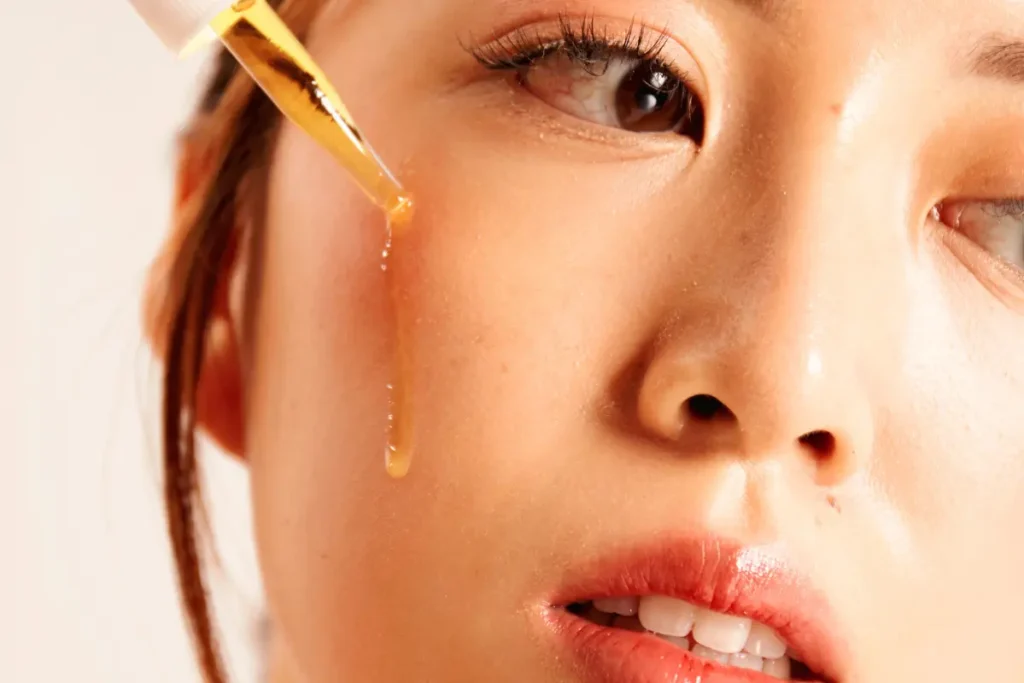
Building an effective skincare routine is key to maintaining youthful skin and preventing premature aging. Follow these fundamental steps for an efficient skincare regimen:
1. Deep Cleansing
Cleansing removes impurities, excess oil, and makeup residue, preparing the skin to absorb treatment products. Use a facial cleanser suited to your skin type every morning and night.
2. Regular Exfoliation
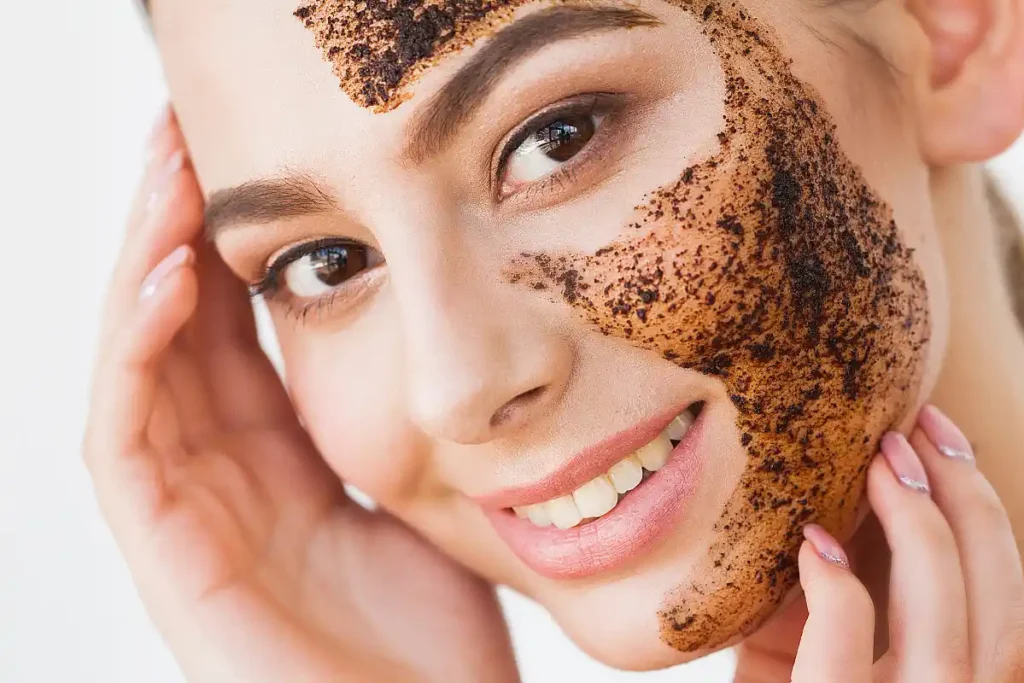
Exfoliation helps eliminate dead skin cells and promotes cell renewal. Opt for chemical exfoliants with AHA or BHA acids, applying them two to three times per week to avoid irritation.
3. Intensive Hydration
Keeping the skin hydrated is essential for elasticity and vitality. Choose moisturizers containing hyaluronic acid, ceramides, and essential vitamins for deep hydration.
4. Daily Sun Protection
Sunscreen is the most important step in aging prevention. Select a broad-spectrum sunscreen with at least SPF 30, reapplying every two hours when exposed to sunlight.
The Importance of Antioxidants in Skincare
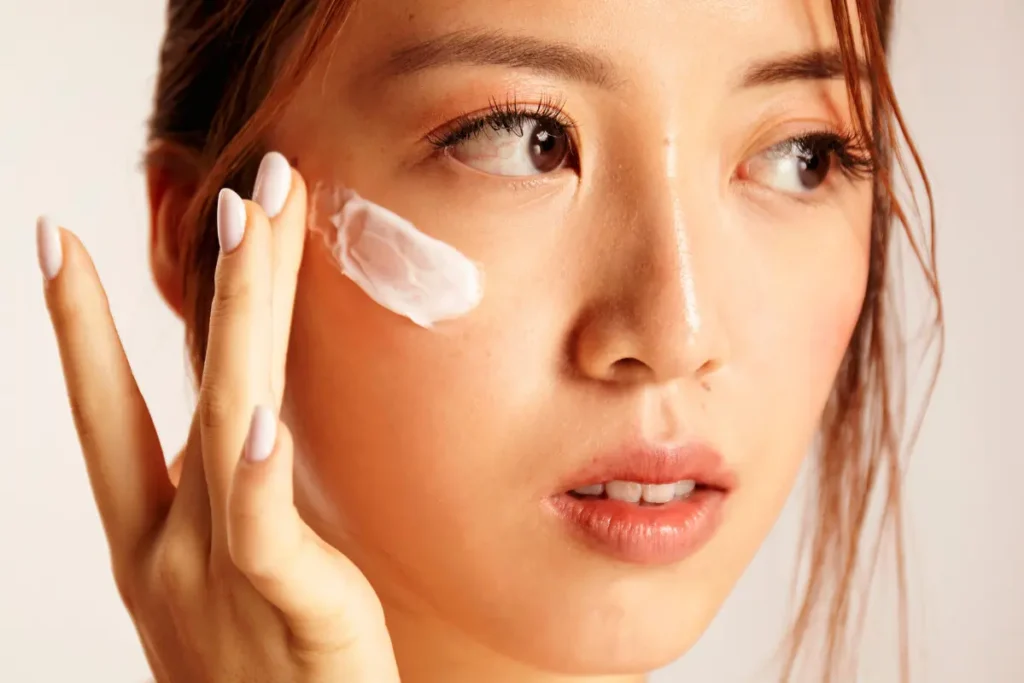
Antioxidants are powerful allies in preventing aging as they fight free radicals that damage skin cells. Some of the most effective include:
- Vitamin C: Brightens the skin, reduces wrinkles, and boosts collagen production.
- Vitamin E: Hydrates and protects against environmental damage.
- Green Tea Extract: Has anti-inflammatory and antioxidant properties.
- Niacinamide: Reduces dark spots and improves skin texture.
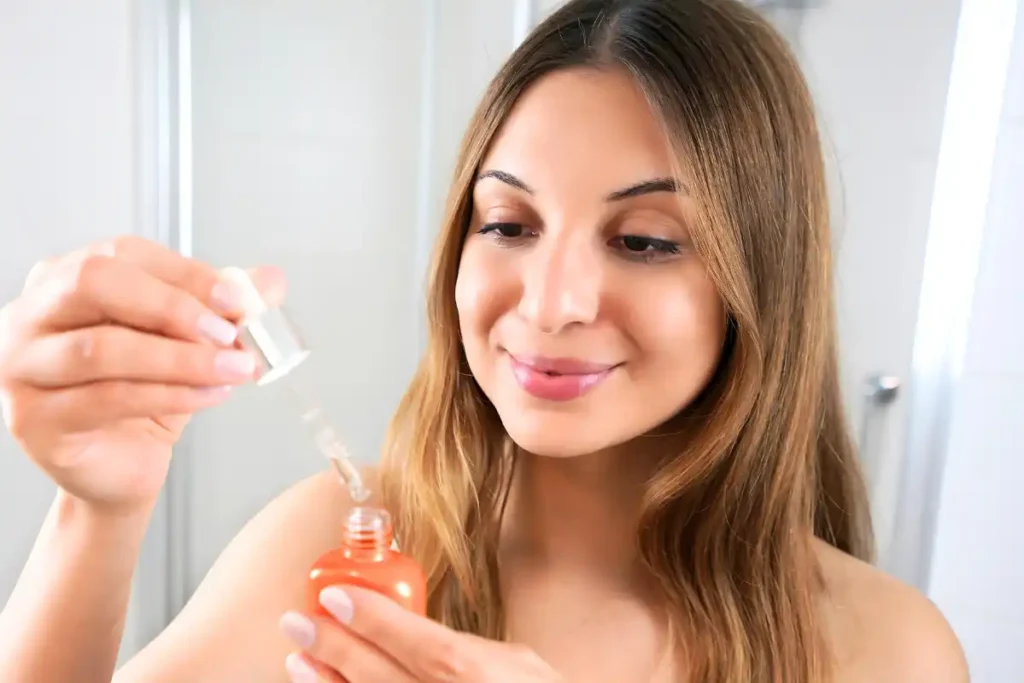
To maximize benefits, use an antioxidant serum in the morning before applying sunscreen. Additionally, incorporating retinol in your nighttime routine can accelerate cell turnover, reduce wrinkles, and improve skin texture over time.




Healthy Habits for Youthful Skin
Youthful skin is also directly linked to daily habits. To maintain a radiant appearance longer, consider:
Balanced Diet
A diet rich in fruits, vegetables, and antioxidant foods is essential for nourishing the skin from within. Include omega-3-rich fish, nuts, and seeds to enhance skin hydration.
Adequate Hydration
Drinking at least two liters of water daily helps keep the skin firm and glowing. Hydrating foods like watermelon and cucumber are also recommended.
Regular Exercise
Exercise boosts blood circulation, aiding skin oxygenation and toxin removal. Adding exercise and meditation helps reduce stress, boost focus, and enhance overall well-being, improving your skin’s health and appearance.
Restorative Sleep
Good sleep is essential for cell regeneration. Aim for 7 to 9 hours of sleep per night to keep your skin refreshed. You can also practice yoga to improve sleep and enhance skin health.

Conclusion
Skincare should be a consistent commitment, combined with a routine of healthy habits. With the right strategies, it is possible to maintain youthful and radiant skin for longer.